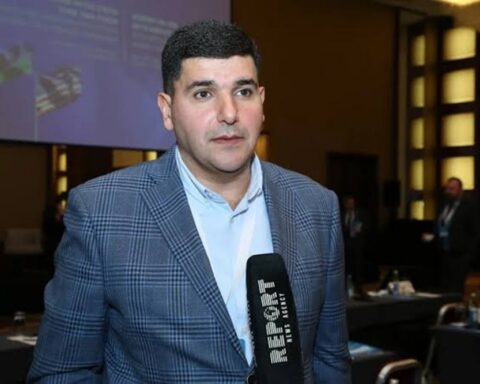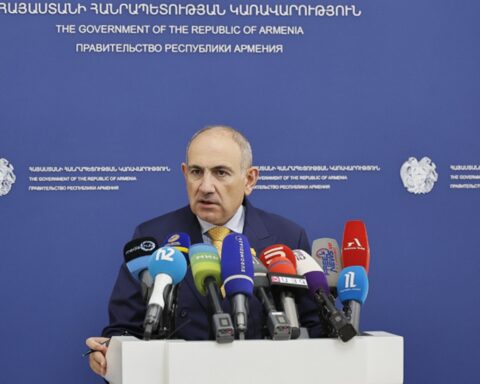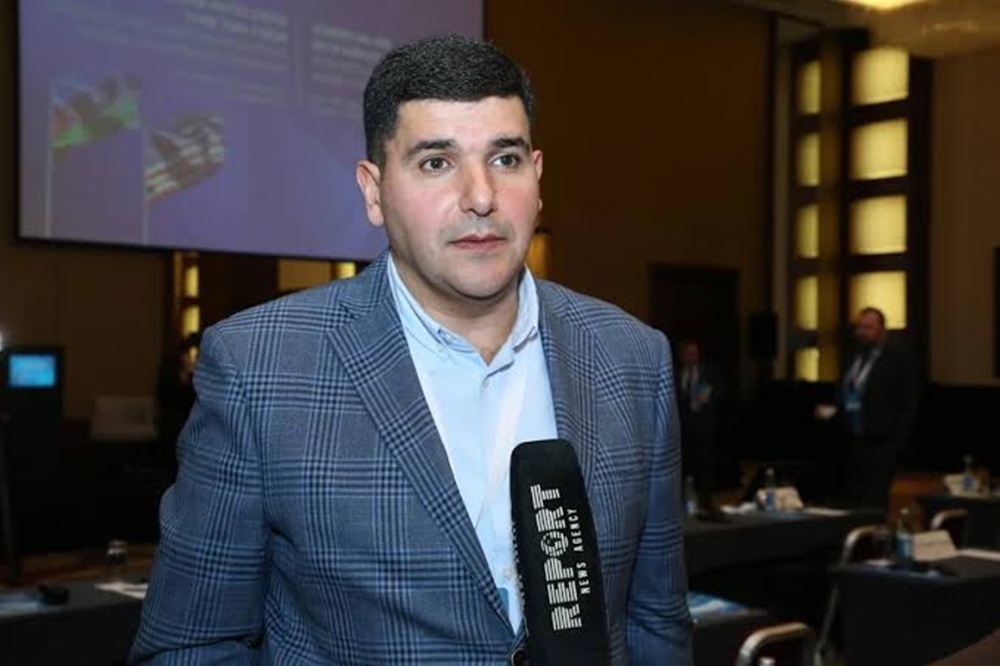
The continuation of dialogue between the Armenian and Azerbaijani societies, the exchange of ideas and the increase in the number of participants involved in the process are already in themselves achievements. The coordinator of the Azerbaijani expert group, Director of the South Caucasus Research Center Farhad Mamedov, said this during a briefing with journalists within the framework of the 5th meeting of the “Bridge of Peace” initiative.
He stressed that the Armenian and Azerbaijani societies have different expectations and perceptions regarding peace, which must be taken into account in the work carried out around the peace agenda. Referring to the existence of disagreements, Mamedov noted that they cover a wide range of issues, but the sides are trying to conduct a sincere dialogue around them, presenting the concerns of the societies and their causes. “We are trying to show what concerns our societies, what those issues and causes are, and what we can achieve if those issues find their solution. These problems have objective and subjective causes. If we cannot solve all the problems in the short term, we focus on those issues in the direction of which we can take concrete steps,” he noted.
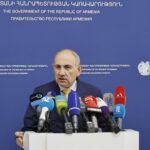
According to Mamedov, one of the important results of the dialogue is that there are no closed topics for the participants, and they have the opportunity to raise sensitive issues as well. “Each of our dialogues is a sincere conversation and a discussion of many, perhaps even sensitive issues. We have reached the point where there are no closed topics for us. We can ask each other questions and receive answers to them. This format presupposes direct contact between representatives of civil society and representatives of the state, which we also made use of: for two hours we were asking questions to the Secretary of Armenia’s Security Council,” he said.
The Azerbaijani expert informed that one of the features of the 5th meeting is also the work of six thematic commissions. They will address environmental protection, the economy, infrastructures, humanitarian issues and the directions of the press. Within the commissions, the specialists will discuss upcoming actions, the proposals to be presented to the state structures of the two countries and the possible steps that can contribute to smoothing out the existing disagreements.